logo
Mystery shopping

Visual Merchandising Audits

Regular check-ups on retailers to make sure product location, shelf space, displays, pricing and promotions match the agreements you have made, backed by geo-stamped photo evidence.

0+

Auditors & shoppers

0+

Cities in India

0%

Sales boost from facings

Visual Merchandising Audits
350+ cities22+ countries
What is a visual merchandising audit?

What is a visual merchandising audit?

Visual merchandising audits or retail audits are often found in the retail industry as one of the strategies performed by a business in order to strive for success. They provide regular check-ups on retailers to make sure that they are complying with the agreements you have made, protecting your brand reputation.

Visual merchandising audits have two basic categories, including shelf audits and seasonal audits. Shelf audits aim at ensuring pricing compliance by retailers, while seasonal audits make sure that items in the promotion are priced and displayed correctly according to the company's procedure.

  • Shelf audits
  • Seasonal & promotional audits
  • General store audits
Important aspects in performing shelf audits

Important aspects in performing shelf audits

Visual merchandising audits are done by the company's field representatives. The field representative will perform both shelf audits and seasonal audits. When performing shelf audits, here is what to check:
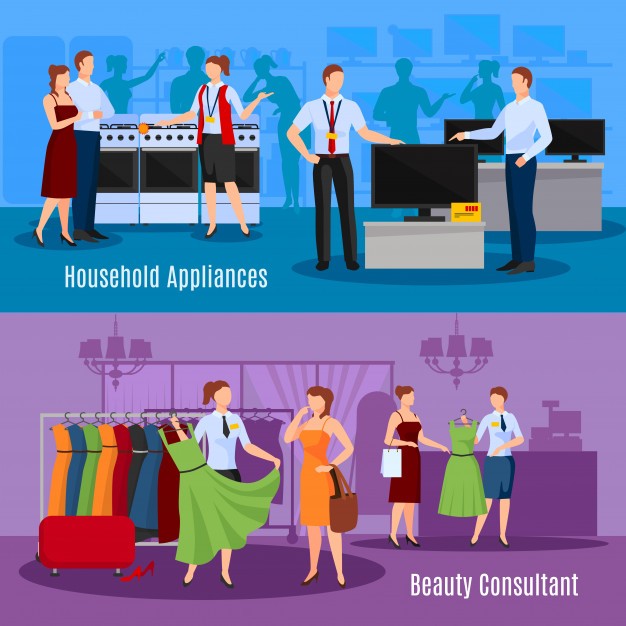
  • In-store location: the field representative makes sure the products are in the correct part of the store according to the initial negotiation.
  • Shelf position: the field representative notes where the products are placed in the store, to get a better idea of what marketing strategy to use to compete with other brands placed near the company's products.
  • Facings: many studies found that facings can boost 20% of sales. A company can consider purchasing more facings for its brand to increase sales.
  • Product holes: the field representative checks if there are open spaces on the shelf where your products are located. If there are, find out whether the products are out of stock or have not been restocked by the retailer.
  • Out of stock: the field representative makes sure of the availability of the products on the retailer's shelf. To prevent out-of-stock products, the company should perform stock audits to better predict them.
Seasonal & promotional audits

Seasonal & promotional audits

Like shelf audits, seasonal/promotional audits also have important aspects that the company's representative should take care of, including:

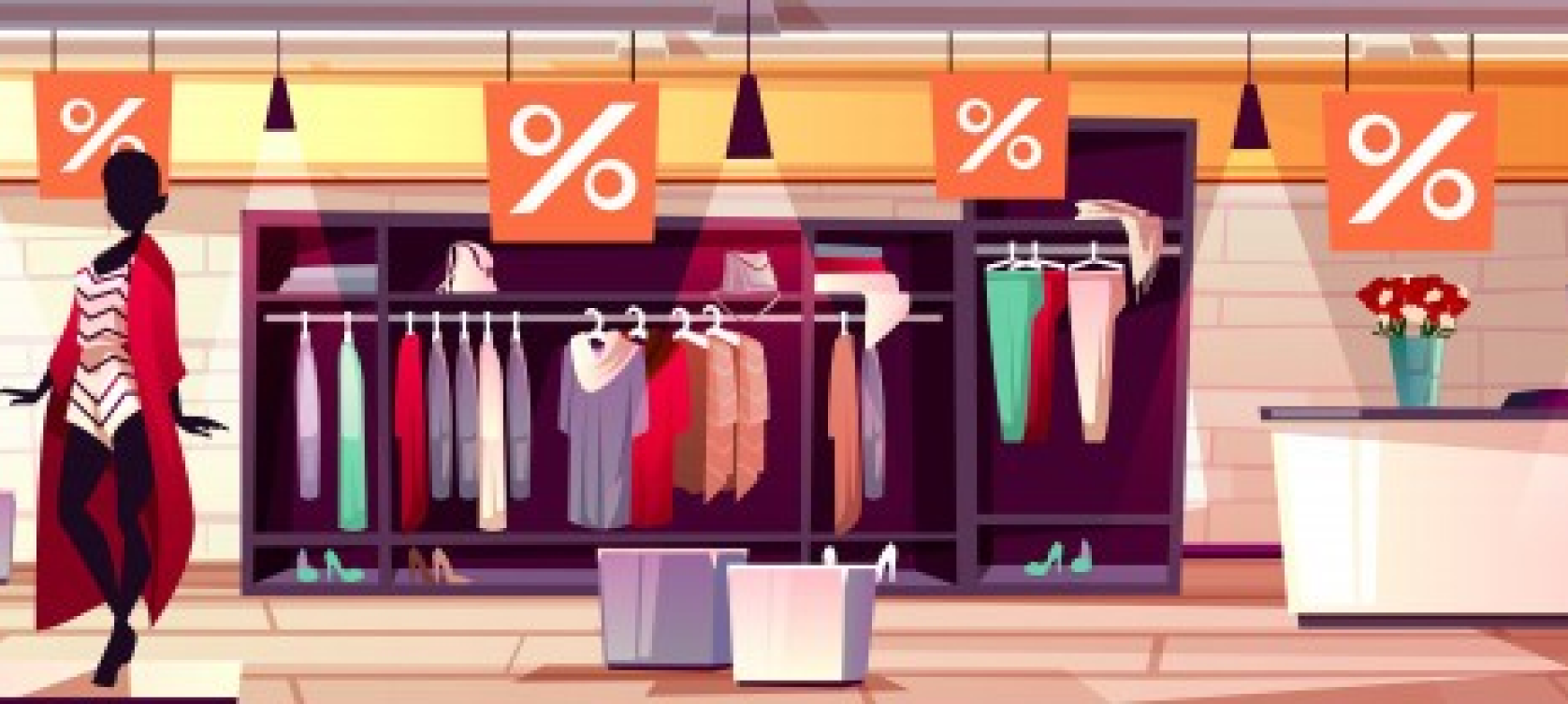
  • In-store signage: the auditor makes sure the company's in-store signage is optimally placed so that the majority of customers notice or are aware of the sale.
  • Special ads and displays: make sure customers know where to find the products on sale through special ads and product displays, because they affect consumer purchasing decisions.
  • Seasonal/promotional pricing and labels: the auditor makes sure there is no difference between the company's sales promotion claims and the pricing labels, to prevent customer confusion.
  • Employee knowledge: sales associates' training, awareness and compliance with the in-store program are checked.
How visual merchandising audits work

How visual merchandising audits work

Visual merchandising audits are part of the strategies to maximize sales, represented by the field representatives. The field reps work closely with the retailer to make the strategy work. They do regular checkups together, making sure that it is complying with the agreements made in the beginning. There are two categories of visual merchandising audits: shelf audits and audits of seasonal programs and promotions.
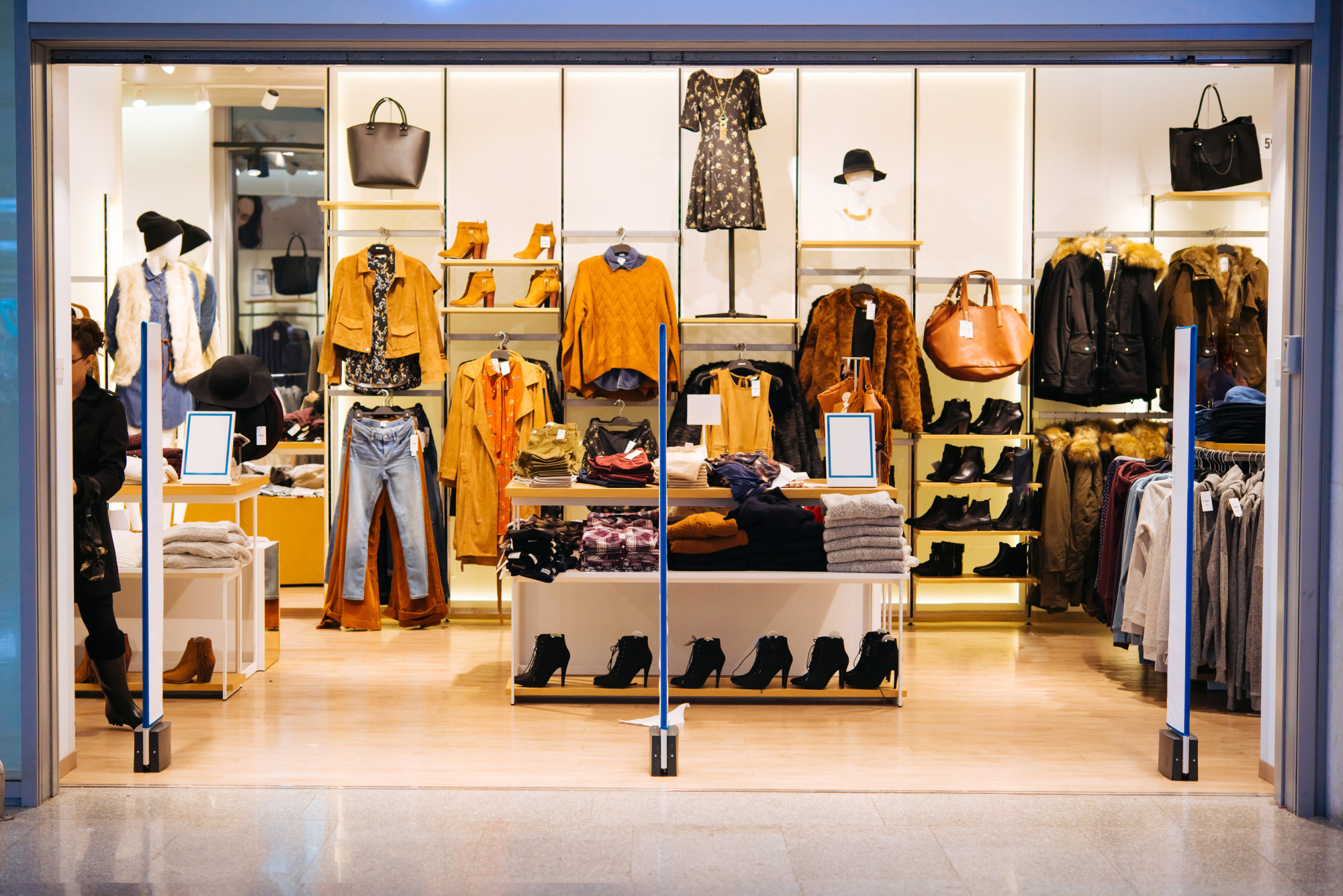
  • Shelf audits include planogram compliance and pricing. Planogram compliance is how to position the shelf correctly, in a way that attracts customers; pricing refers to the correct label used on the displayed products. Auditors ensure both are correctly displayed.
  • Audits of seasonal programs and promotions cover four factors: in-store signage, unique displays and ads, seasonal pricing and labels, and sales associates' training, awareness and compliance with the in-store program.
  • General audits review the overall appearance, presentation, cleanliness and safety of the store where your products are displayed. Sales representatives can work with other resources in the store to make this more useful and time-efficient, so the merchandising program runs effectively.
In-store visual merchandising

In-store visual merchandising

In-store visual merchandising is part of the strategies to get your products or services noticed by customers and motivate them to make a purchase. It includes designing point-of-purchase displays and how they connect and engage with customers. There are several key elements in optimizing in-store visual merchandising:

  • Brand: make sure the visual aspects of the products and services reflect your brand's essential characteristics. It is how you differentiate your brand from competitors and build brand loyalty.
  • Senses: ensure your displayed products provide value that creates the best shopping experience, through interactive installations, appealing music that gets to your customer base, creative lighting and effects, and attractive visuals and colours that improve the atmosphere.
  • Displays: how products are displayed is very important. Use tools or props that enhance your displays; many retail stores now use digital screens with product information and three-dimensional displays. Use flexible, durable materials so displays can be changed for different promotions and seasonal programs.

What We Audit

Click through to see what each one covers.

Shelf Audits

Shelf Audits

Planogram compliance and pricing: products in the agreed location and shelf position, the right number of facings, no product holes and no out-of-stocks.

  • In-store location
  • Shelf position
  • Facings
  • Product holes & out of stock

Why Brands Choose FloorWalk

Geo-stamped photos

Every display is photographed with GPS address, date and time.

Shelf-level detail

Location, position, facings and gaps recorded store by store.

Compare stores

Dashboards compare compliance across stores, cities and audit cycles.

Action tracking

Gaps are turned into actions and tracked until they are closed.

How It Works

1

Share the agreements

Planograms, promotion plans and display guidelines are set as the checklist.

2

Visit the stores

Local auditors check shelves and displays and capture geo-stamped evidence.

3

Quality check

AI checks and our quality team review every report.

4

Act on gaps

Results go to your dashboard and PDF/Excel reports, with actions tracked.

Powered by FloorWalk software

Geo-stamped evidence, AI quality checks and live dashboards

Every audit runs on our in-house platform, with up to 95% of the process automated.

Explore the software

Frequently Asked Questions

Have another question? Talk to our team.

Shelf audits ensure pricing and planogram compliance on the shelf. Seasonal audits make sure items in a promotion are priced and displayed correctly according to the company's procedure.

Ready to see your stores through your customers' eyes?

Tell us what you want to measure and we'll design the right programme for your brand.